
Wired, Wireless Or Smartphone? Which Backup Camera Is Best For Your Car?
Originally posted on Sep 26, 2017
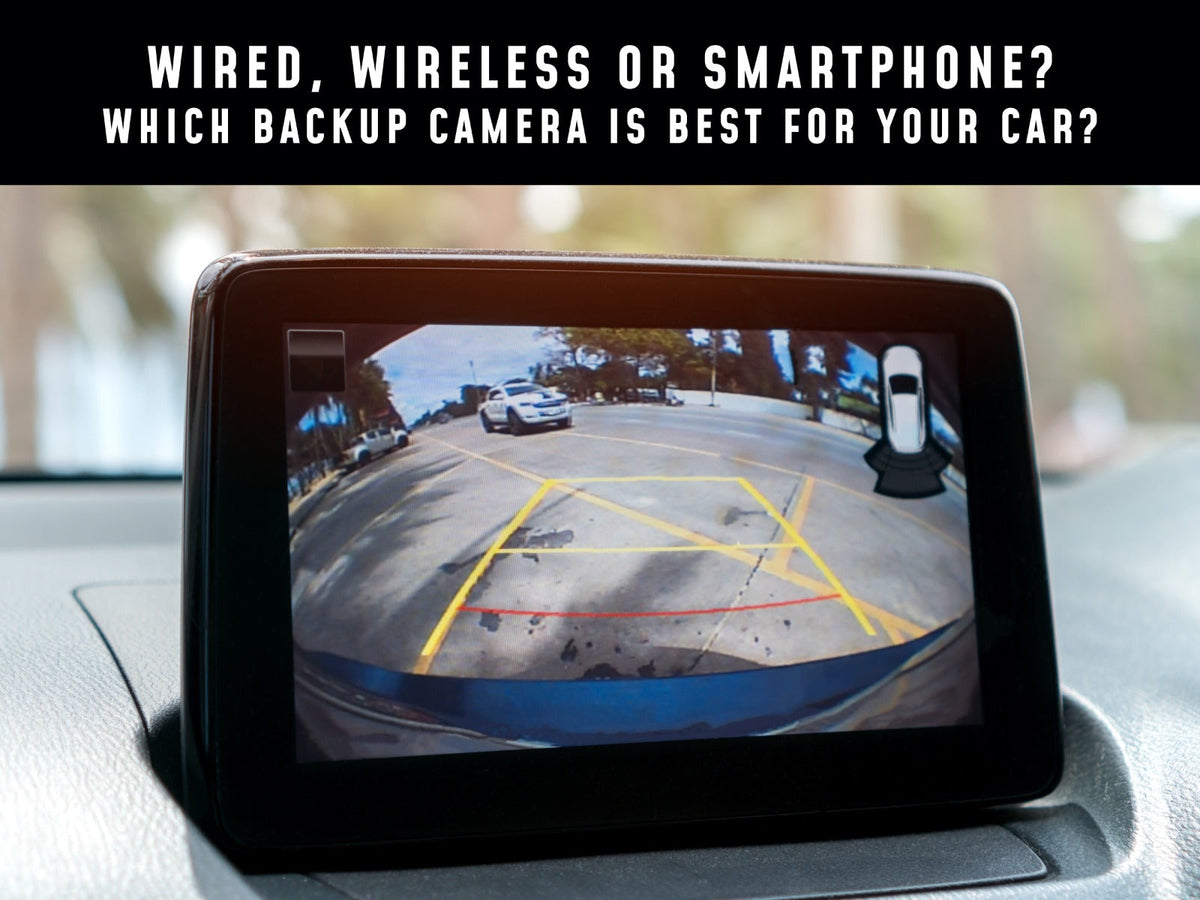
One of the most popular and convenient safety features for vehicles are rear view cameras. If you're considering adding a rear view camera system to your car, there are three primary types to consider: wired camera systems, smartphone based systems, and wireless backup cameras. Each system has its pros and cons, and in the end, your choice will come down to factors such as price, quality, and convenience.
As we move through 2025, backup camera technology continues to evolve with improved signal processing, better low-light performance, and more vehicle-specific integration options. Whether you're upgrading an older vehicle or enhancing a newer model, understanding the fundamental differences between these three system types will help you make the right choice for your driving needs and budget.
Wired Backup Camera Systems
Wired backup camera systems are known for their reliability and high picture quality, but they aren't the most convenient type of system on the market due to the installation process. If you're not a seasoned car lover or DIYer you'll likely need to hire a professional to wire your car or truck if it's not already set up to accommodate a rear view camera. This can be a bit of a hassle, as well as expensive, particularly if you have a larger, longer vehicle like an RV (Click here for a tutorial on installing a backup camera on an RV). However, many drivers opt to go with a wired system because of its other benefits.
Pros of a Wired Backup Camera System
- More Reliable. Unlike wireless cameras, you don't have to worry about signal interference or the strength of your connection. Your backup camera is permanently connected to the monitor screen, which means you'll always get a crisp, clear picture. This direct connection is especially valuable in urban environments with heavy WiFi congestion or in areas with extreme weather conditions that can disrupt wireless signals.
- Better Quality Picture. Because a wired camera has a direct connection to the screen in your car, the picture quality will be considerably better than a camera with a wireless connection. The wiring can handle more data and can receive the image quicker than a wireless camera, resulting in a focused and sharp picture. You will see exactly what's going on behind you for maximum safety. Modern wired systems often support high-definition and even 4K resolution feeds, providing crystal-clear detail for tight parking situations and hazard detection.
- Peace of mind. No matter what the weather outside you can always expect a clear signal and uninterrupted video.
- More options. Wired backup camera systems have been around for a while. Although they are intrusive most shops will be familiar with them, and many can integrate directly into your truck’s existing systems! (Click here to check out the process for installing a backup camera on an F-150) Vehicle-specific integration kits are more widely available than ever, allowing wired cameras to work seamlessly with factory displays and infotainment systems in Ford, RAM, Toyota, Honda, and many other makes and models.
- Long-Term Value. Wired systems typically outlast wireless alternatives because there are fewer electronic components prone to failure. Once installed, a quality wired camera can provide reliable service for 10+ years with minimal maintenance—just occasional lens cleaning. This makes them an excellent investment for vehicles you plan to keep long-term or for increasing resale value.
Cons of a Wired Backup Camera System
- More Difficult to Install. To install a wired backup camera, you'll have to run the wiring through the entire vehicle, from the back where the camera is to the front of the car where the monitor will be mounted by the dashboard. You can certainly try to tackle this task yourself, as the camera will come with detailed installation instructions, but the installation process can prove to be overwhelming to some consumers. For drivers who aren't handy or don't like "do-it-yourself" projects, it might be better to hire a professional.
- Higher Cost. Because the quality is higher, wired rearview cameras are usually more expensive than their wireless counterparts. The higher cost not only applies to the camera system and wiring itself, but it also carries over into the installation cost as well, should you choose to go that route. However, when you factor in the superior reliability and longevity of wired systems, the cost-per-year of ownership often makes them competitive with—or even less expensive than—replacing cheaper wireless systems over time.

Wireless Rear View Camera Systems
Wireless backup cameras have gained significant popularity among drivers who want backup camera safety without the complexity of running wires through their vehicle. These systems transmit video signals from the rear-mounted camera to a dashboard monitor using radio frequency (RF) or digital wireless technology. For many car owners, the appeal is simple: a professional-looking installation in a fraction of the time, often at a lower price point than wired alternatives. However, the convenience of wireless technology comes with certain tradeoffs in signal reliability and picture consistency that are important to understand before making your decision.
Pros of a Wireless Rear View Camera System
- Easy To Install. Installing a wireless rear view camera couldn't be any easier. Installation takes around 5 minutes and can be accomplished by anyone, even drivers who aren't tech savvy. People who drive longer vehicles like trucks or RVs often prefer wireless cameras because of how easy the installation of a wireless system is compared to how complicated a wire installation can be on a longer vehicle or set up. But again, the difficulty really comes down to how handy you are.
- Cheaper. A wireless system almost always will cost less than a wired one. Wireless cameras require less equipment (no wires, for one), which helps keep their cost down. This lower upfront cost makes wireless systems an attractive option for budget-conscious drivers, renters who may change vehicles soon, or anyone wanting to test out backup camera functionality without a major investment.
- Technologically Advanced. A wireless system is more "high tech" than a wired one. If you prefer a technologically advanced gadget for your car, go wireless. Some wireless backup cams can even be integrated into a navigation system. Many wireless systems now feature digital signal transmission (rather than older analog signals), reducing interference and improving picture quality compared to wireless cameras from just a few years ago.
Cons of a Wireless Rear View Camera System
- Not a Bulletproof Connection. Many wireless backup cameras use an analog signal, which is prone to static or signal drops. Picture a baby monitor, for example. Sometimes, there is interference that results in a poor picture. Some wireless rear view cameras offer a digital signal, which is more reliable but still subject to issues from time to time. This isn't a deal breaker for most people, but for someone who wants 110% reliability a wired system will be the way to go. Digital wireless systems have improved significantly over the years, but you may still experience occasional interference in areas with heavy RF congestion—near airports, military bases, or in urban centers with dense wireless networks.
- Poorer Picture Quality. When the backup camera sends image data to the monitor wirelessly, there's always a chance for interference, lag, or a loss of overall picture quality depending on the signal strength. Some days, the picture will seem quite clear, but others, you might find yourself viewing a fuzzy or pixelated image. You'll still be able to get a general idea of what's behind you, but if you're backing into a tight space, you might find yourself wanting a bit more detail or clarity in the picture. Weather can also play a big factor, again, in the middle of a snowstorm, you might not want to be thinking about picture quality.
- Battery Maintenance Considerations. Many wireless cameras rely on rechargeable batteries or draw power from your vehicle's electrical system. Battery-powered units require periodic recharging, which adds a maintenance step that wired systems don't require. If batteries run low unexpectedly, you could lose camera functionality when you need it most.

Smartphone Wireless Backup Camera Systems
Some wireless backup cameras come with a monitor screen to display by your dashboard, but others come with only a camera and allow you to use your smartphone to display the video feed.
Pros of a Smartphone Wireless Backup Camera System
- Easy To Install. A wireless backup camera that works with your phone is easy to install. Just follow the simple instructions that come with the camera to install the app on your phone.
- Better Quality Picture. In addition, your phone likely has an HD screen, so a smartphone backup camera will provide a clear picture as long as the signal is strong. Modern smartphones feature bright, high-resolution displays with excellent color accuracy, which can make them superior viewing screens compared to budget aftermarket monitors—when the connection is stable.
- Cost-Effective Entry Point. If you already own a smartphone, you can add backup camera functionality without purchasing a dedicated monitor. This significantly reduces the upfront cost and eliminates dashboard clutter from an additional screen, making smartphone-based systems attractive for minimalist drivers and those on tight budgets.
Cons of a Smartphone Wireless Backup Camera System
- Drains Phone Battery. While using your smartphone as a backup camera is extremely convenient, doing so will drain your phone's battery relatively quickly. This is particularly problematic on longer drives or if you need your phone for navigation, emergency calls, or other critical functions throughout the day.
- Inconsistent connection. The major trade off we've heard of is that the connection tends to be the worse of the three options. Super easy when it works, but not worth a darn when it's not.
- You get what you pay for. Unfortunately a raft of cheap "smartphone" compatible backup cameras have flooded the market. Because manufacturers know they're cashing into a lower price point and less technically savvy audience, they cut corners where they can. In 2025, the budget smartphone camera market remains crowded with low-quality imports that fail quickly, offer poor customer support, and may not receive app updates compatible with the latest iOS and Android operating systems.
- Possible Incompatible Tech. In addition, many drivers like to use their tablets because of the bigger screen, but some brands of backup camera are not supported on tablets. App compatibility issues extend beyond tablets—operating system updates can break functionality, older phones may not support newer camera models, and switching between iPhone and Android devices often means purchasing a completely different camera system.
- Increased risk of theft. Anytime you introduce more harnesses or tech into the cabin, you could probably expect a higher danger of theft. This isn't a big issue if you're out in the country, but can be downright risky in the city. We've heard plenty of stories of people just forgetting their phones in their car only to come back to a broken window as well. (Though that's just plain forgetfulness.)
- Distraction and Usability Concerns. Mounting and unmounting your phone every time you drive adds friction to the backup camera experience. You'll need a reliable phone mount, and you must remember to open the app before reversing. In comparison, dedicated monitors in wired and wireless systems activate automatically when you shift into reverse, providing immediate, hassle-free visibility.

Weighing Your Options
There are a number of things to consider when shopping for a backup camera, from features to price point. It's helpful if you first decide whether you want a wired or wireless system. If you're looking for proven reliability and a more permanent solution, a wired system is probably the way to go, but a wireless system is also a good option for drivers who are on a tighter budget or are looking for a quicker and easier solution.
When choosing the best backup camera system for your needs, consider these key decision factors:
Choose a Wired System if you:
- Prioritize consistent, high-quality video in all weather conditions
- Plan to keep your vehicle for many years
- Want seamless integration with your vehicle's factory display system
- Drive a commercial vehicle, RV, or any vehicle where reliability is non-negotiable
- Are comfortable with professional installation or have DIY wiring experience
- Value long-term cost-effectiveness over upfront savings
Choose a Wireless System if you:
- Need quick, DIY-friendly installation with minimal tools
- Want flexibility to transfer the camera between multiple vehicles
- Are working with a limited budget and need the lowest upfront cost
- Drive primarily in suburban or rural areas with less RF interference
- Prefer a modern, high-tech solution with wireless convenience
- Don't mind occasional signal quality variations
Choose a Smartphone System if you:
- Want the absolute lowest cost entry point into backup cameras
- Already rely on your smartphone for navigation and other driving tasks
- Don't mind the extra steps of mounting your phone and opening an app
- Have a reliable charging solution in your vehicle to offset battery drain
- Need a temporary or trial solution before committing to a permanent system
- Are comfortable troubleshooting app and connectivity issues
Ultimately, your choice comes down to balancing convenience, reliability, cost, and your specific driving circumstances. The "best" backup camera is the one that fits your vehicle type, matches your budget, and gives you confidence every time you shift into reverse.

Ready to Add a Backup Camera to Your Vehicle?
Now that you understand the key differences between wired, wireless, and smartphone backup camera systems, you're ready to find the perfect solution for your car or truck. At Camera Source, we specialize in high-quality automotive backup cameras designed for reliable performance, easy installation, and long-lasting value.
Browse our complete selection of automotive backup cameras to discover:
- Vehicle-specific camera kits that integrate seamlessly with Ford, RAM, Toyota, Honda, and other popular makes
- Universal backup cameras with flexible mounting options for any vehicle type
- Professional-grade wired systems for maximum reliability and picture quality
- Premium wireless solutions including Furrion-compatible systems for RVs and trucks
- Complete camera kits with monitors, mirrors, and dash cam functionality
- Expert support to help you choose the right system and answer installation questions
Every Camera Source backup camera is backed by our commitment to quality and customer service. Whether you're a DIY enthusiast or prefer professional installation, we have the right camera system to match your needs and budget. Plus, military members and public service workers receive 10% off all Camera Source products—our way of saying thank you for your service.


1 comment
test msg